July 28, 2026
Understanding the vulnerabilities of a home structure is essential for long-term real estate preservation. Over time, environmental factors, natural aging, and structural shifts take a toll on the uppermost barrier of a residential building. When minor defects go unnoticed, they gradually evolve into extensive structural liabilities that threaten the integrity of the entire residence. Property owners must recognize that protecting an overhead canopy requires diligence, quick action, and professional oversight. By recognizing early indicators of degradation, individuals can implement proactive strategies to preserve their investments and prevent small repairs from escalating into financial disasters.
1. Moisture Penetration and Leakage Pathways
Water infiltration stands as one of the most destructive forces facing any property owner. Moisture often finds its way through compromised materials, cracked flashing, or clogged drainage channels. Heavy rainfall and extreme weather events force water into the smallest crevices, creating hidden pockets of dampness that rapidly rot internal wooden frameworks. When gutters become blocked with seasonal debris, standing water backs up beneath the lower edges, leading to steady saturation. Professional inspection services offered by roofing companies can pinpoint these subtle entry points before the moisture spreads into interior living spaces.
Unchecked moisture infiltration triggers rapid interior degradation that extends far beyond simple cosmetic damage. Water stains on ceilings, blistering paint, and decaying drywall serve as obvious indicators that liquid is moving through the ceiling assembly. Damp environments also foster the rapid growth of organic mold spores, which degrade indoor air quality and pose health risks to residents. Over prolonged periods, continuous moisture exposure weakens load-bearing wooden joists, leading to soft spots and potential structural collapse. Engaging certified professionals to perform routine inspections ensures that liquid entry routes are sealed promptly, preventing compounding interior damage.
2. Subpar Installation and Workmanship Failures
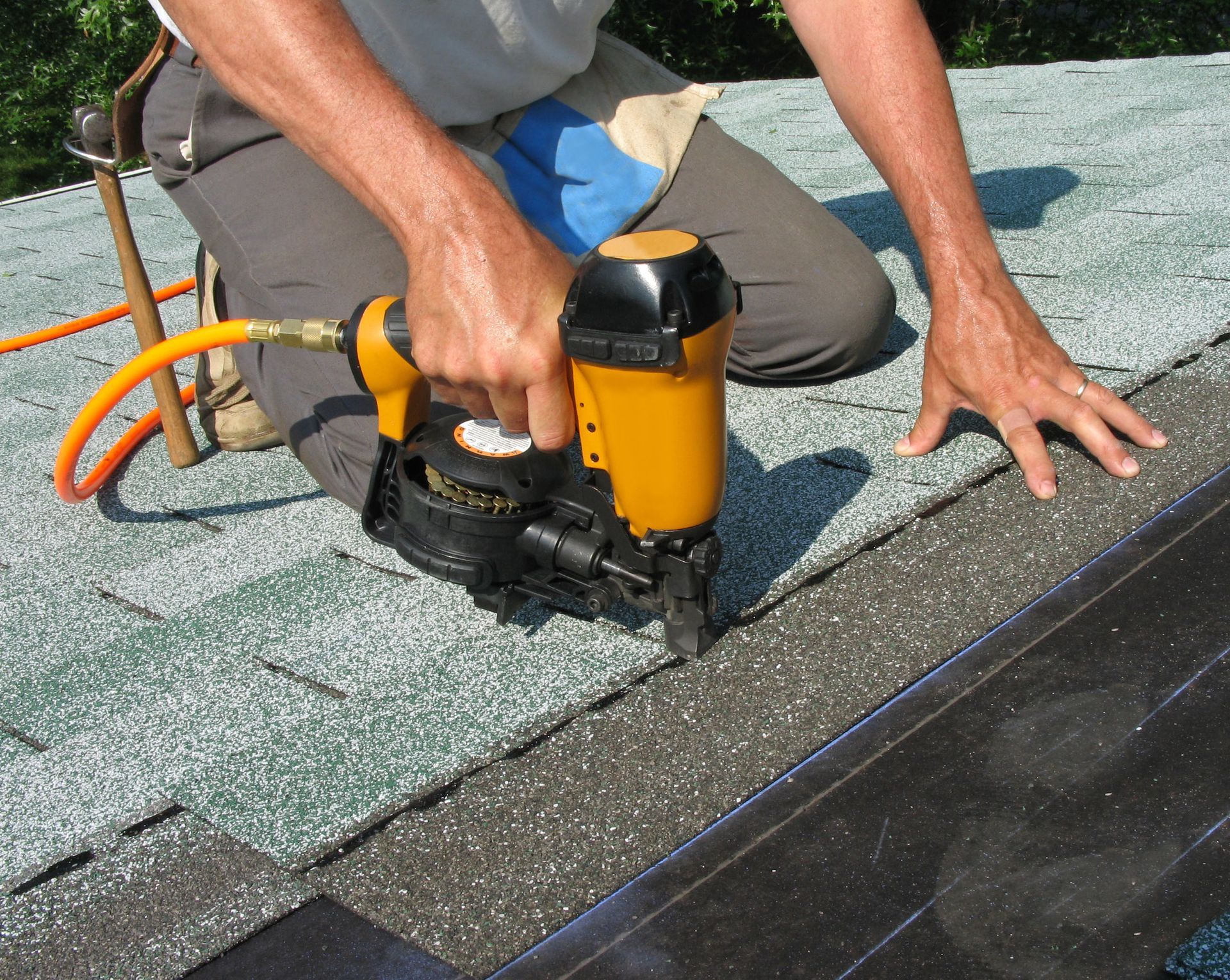
Improper initial installation creates immediate vulnerabilities that compromise an entire building structure. When materials are misaligned, underlayment is left unsealed, or fasteners are placed incorrectly, the protective barrier fails to perform its intended function. Subpar execution leaves gaps where wind, rain, and pests can breach the outer shell. A sagging ridge line or uneven surface alignment usually indicates fundamental flaws in how the materials were secured. Addressing these workmanship defects early prevents compounding damage that could otherwise destroy the underlying framework.
Working with experienced professionals guarantees that every component meets rigorous technical standards. Their expertise minimizes the risk of installation errors and contributes to the roof's longevity. According to HomeGuide, installing a new roof can increase a home's value, with homeowners typically recovering 60% to 85% of the cost depending on the roofing material. Investing in quality installation not only offers peace of mind but also increases the home's resale value. Licensed technicians follow strict manufacturer guidelines to ensure every layer functions as a cohesive shield against environmental elements.
3. Extreme Weather and Environmental Damage
Severe weather events represent a constant threat to residential exterior surfaces. High winds can easily peel back vulnerable material sections, exposing the vulnerable interior decking to harsh elements. Hail impacts fracture delicate surface layers, causing unseen micro-fractures that allow moisture to seep through during subsequent rainstorms. Airborne debris carried by heavy storms can dent, puncture, or shift protective panels. After major weather disruptions, property owners should rely on top-tier roofing companies to perform comprehensive structural evaluations and document any storm-related destruction for insurance verification.
Winter conditions introduce additional risks, particularly through the formation of heavy snow loads and destructive ice dams. Ice dams occur when heat escaping from an improperly insulated attic melts snow on the upper slopes, causing liquid to run down and refreeze at the colder eaves. This ice wall prevents melting water from draining properly, forcing liquid upward under the surface material. Conversely, summer ultraviolet radiation dries out flexible compounds, making materials brittle and prone to cracking. Seasonal weather maintenance helps balance these extreme temperature shifts and protects the home throughout every season.
4. Attic Thermal Air Flow Dynamics
Proper air circulation within the upper levels of a home plays a central role in maintaining overall structural health. Without continuous thermal regulation, excessive heat and humidity accumulate within the attic space during warm months. This heat trap bakes the lower layers of the overhead structure, causing premature aging and deterioration of synthetic materials. Furthermore, trapped moisture condenses on wooden rafters, fostering mold growth and weakening structural framing. Establishing balanced intake and exhaust vents allows fresh air to sweep away excess heat and ambient humidity.
Inadequate thermal regulation also degrades household energy performance, driving up monthly utility bills. When heat remains trapped inside the upper attic cavity, air conditioning systems must consume significantly more energy to cool living spaces below. During winter, inadequate ventilation contributes to uneven roof temperatures that accelerate ice dam formation. Partnering with reputable roofing companies ensures that vent pathways are correctly sized, unobstructed, and positioned to maximize natural airflow. Balanced ventilation systems protect building materials while improving overall household energy efficiency.
5. Structural Integrity and Sagging
Recognizing structural sagging in its earliest stages is vital for preserving building safety. A dip along the ridge line or noticeable bowing across the surface plane indicates that internal load-bearing supports are failing. Overloading from heavy snow, excessive layers of old material, or decayed support rafters can cause the framework to give way under stress. Ceilings that exhibit interior cracking or doors that stick in their frames often point to shifting weight distributions overhead. Promptly addressing these structural warnings prevents catastrophic failure and preserves the underlying architecture.
Restoring structural stability requires careful load assessment and technical reinforcement. Property owners should never ignore dips or surface distortions, as structural weakness worsens exponentially under added environmental pressure. Professional structural assessments help determine whether support beams need sistering, internal collar ties require reinforcement, or total surface replacement is needed. Timely structural intervention preserves the physical envelope of the home and prevents localized sagging from spreading across the entire ceiling plane.
6. Routine Upkeep and Preventive Care
Neglecting routine upkeep is one of the primary drivers of unexpected structural failure. Small defects, such as a missing fastener, a cracked seal around a plumbing vent, or a single shifted panel, can quickly evolve into major interior leaks if left unaddressed. Establishing a clear maintenance schedule guarantees that minor wear is caught early. Clearing gutters, trimming overhanging tree branches, and removing moss buildup prevent moisture retention and organic rot. Consistent preventive care significantly extends the operational lifespan of exterior materials while protecting overall property value.
Documenting every inspection, minor repair, and professional service creates a clear operational history for the building. This record proves invaluable when filing insurance claims after severe weather events or when demonstrating careful home upkeep to future buyers. Establishing a relationship with professional service providers ensures that every routine checkup is performed safely and thoroughly. Routine upkeep remains the most cost-effective strategy for avoiding sudden structural emergencies and maintaining long-term exterior performance.
Maintaining a strong overhead structure is essential for safeguarding any real estate asset against severe environmental damage. Proactive inspection, seasonal care, and timely structural repairs prevent minor flaws from turning into expensive emergencies. By taking a systematic approach to maintenance, homeowners protect internal living spaces, lower utility expenses, and preserve long-term property equity. Working alongside trusted
roofing companies ensures that every repair meets rigorous industry standards for safety and performance. To protect your real estate investment with superior craftsmanship and reliable overhead care, contact NorthCoast Roofing Inc today to schedule a comprehensive property evaluation.