May 7, 2026
Choosing the right roofing material is one of the most important decisions you can make for your home or commercial property. A roof affects curb appeal, energy efficiency, weather protection, maintenance needs, and long-term value. With so many options available, it can be difficult to know which material is the best fit. The right choice depends on your budget, climate, building style, and expectations for durability.
Roofing is not a one-size-fits-all decision. Asphalt shingles, metal roofing, tile, slate, wood, and flat roofing systems each offer different advantages and limitations. A professional roofing company can help explain these options and match the material to your property’s needs. By understanding the most important factors before making a decision, you can choose a roofing material that performs well and supports your long-term goals.
Considering Your Climate and Weather Conditions
Climate should be one of the first factors you evaluate when choosing roofing material. Homes in areas with heavy rain, snow, high winds, intense sun, or frequent temperature changes need materials that can handle those conditions. For example, metal roofing can shed snow and resist wind well, while tile may perform effectively in hot, dry climates. Asphalt shingles are common because they work in many environments, but their performance depends on quality and installation.
Weather exposure also affects how quickly roofing materials age. Strong UV rays can dry out or weaken certain materials, while moisture can contribute to rot, mold, or corrosion if the roof is not properly designed. A roofing company can review local weather patterns and recommend materials that are suitable for your area.
Comparing Durability and Expected Lifespan
Different roofing materials offer different lifespans, which can affect both short-term and long-term costs. Asphalt shingles are often affordable and widely used, but they may not last as long as metal, tile, or slate. Metal roofing can provide strong durability with proper care, while slate and tile are known for their long service life. The best choice depends on how long you plan to stay in the property and how much maintenance you are willing to manage.
Durability is not only about the material itself. Installation quality, ventilation, underlayment, flashing, and routine maintenance all influence how long a roof lasts. Even a premium material can fail early if it is installed poorly or used in the wrong setting. Working with a roofing company helps confirm that the selected material is installed correctly and supported by the right roof system.
Evaluating Energy Efficiency and Comfort
Energy efficiency is an important consideration for both homes and commercial buildings. Some roofing materials reflect more sunlight, while others absorb heat. Lighter colors, reflective coatings, and certain metal roofing options can help reduce heat buildup and make indoor spaces more comfortable. According to Global Growth Insights, reflective and cool roof coatings have the ability to lower cooling energy use by as much as 15% in commercial buildings. This makes energy performance an important part of the material selection process.
For homeowners, improved energy efficiency can help reduce cooling strain during warmer months. For business owners, it can also support lower operating costs and improved indoor comfort for employees and customers. Ventilation and insulation work together with roofing materials to improve performance. A roofing company can help determine whether energy-efficient materials or coatings make sense for your building.
Reviewing Maintenance Requirements
Every roofing material requires some level of maintenance, but the amount varies. Asphalt shingles may need periodic replacement of damaged or missing shingles. Wood roofing can require more attention because it may be vulnerable to moisture, insects, or fire concerns. Metal roofing is often lower maintenance, but fasteners, seams, and coatings may still need inspections over time.
Maintenance expectations should match your lifestyle and budget. A material that looks beautiful but requires frequent care may not be the right fit for every property owner. Regular inspections, debris removal, gutter care, and prompt repairs help extend the life of any roof. Choosing a material with manageable upkeep can help prevent small issues from becoming expensive problems.
Balancing Budget and Long-Term Value
Cost is often a major factor when selecting roofing material. Asphalt shingles usually have a lower upfront cost, which makes them appealing to many homeowners. Metal, tile, and slate often require a larger initial investment, but they may provide longer lifespans and stronger durability. Looking only at the installation price can make it difficult to see the full value of each option.
The better approach is to compare the total long-term value. A less expensive roof may need replacement sooner, while a more durable material may save money over decades. Repair costs, maintenance needs, energy savings, and potential resale value should all be part of the decision. A roofing company can help compare material options in a way that considers both immediate affordability and long-term performance.
Matching Style and Curb Appeal
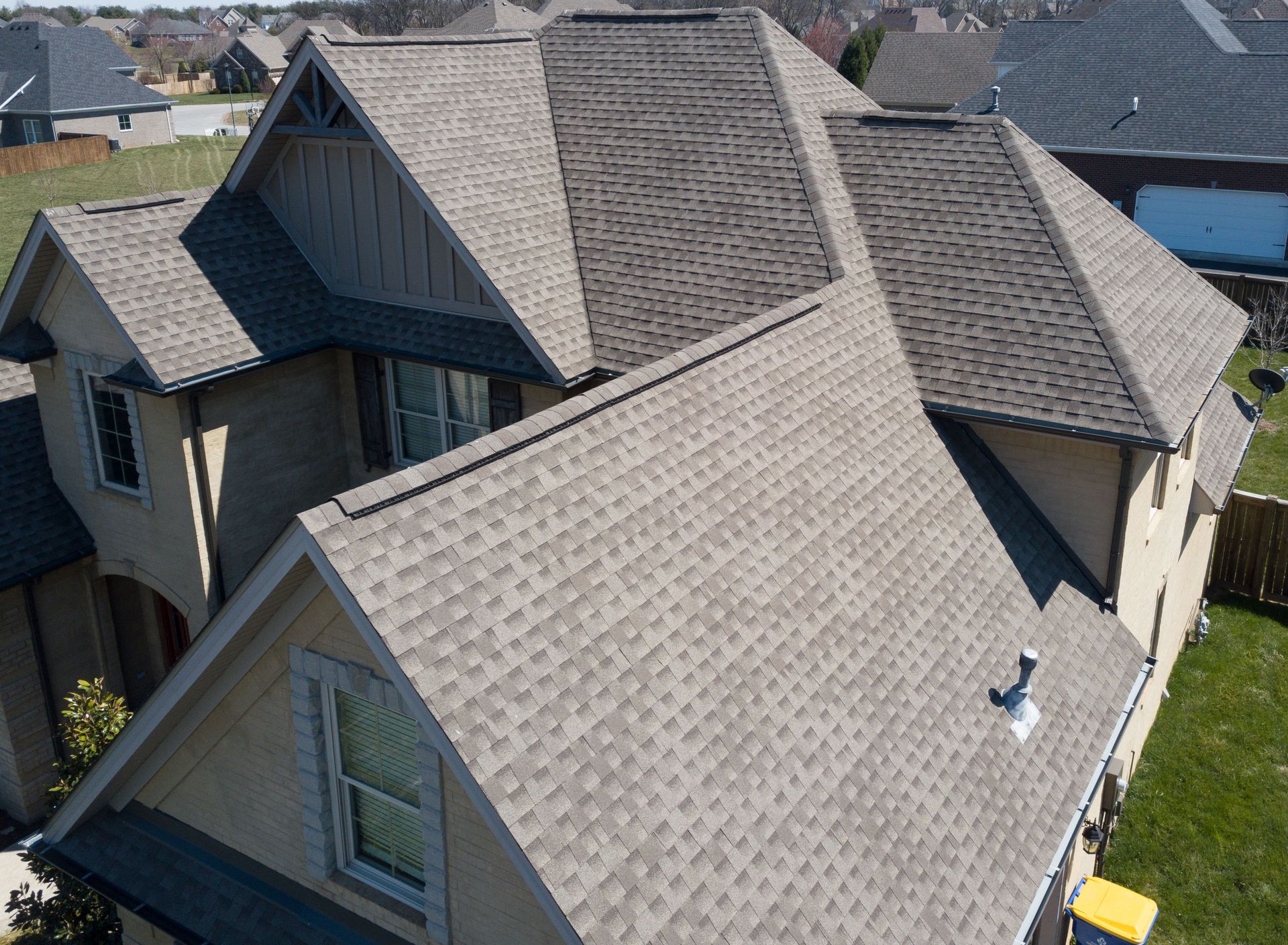
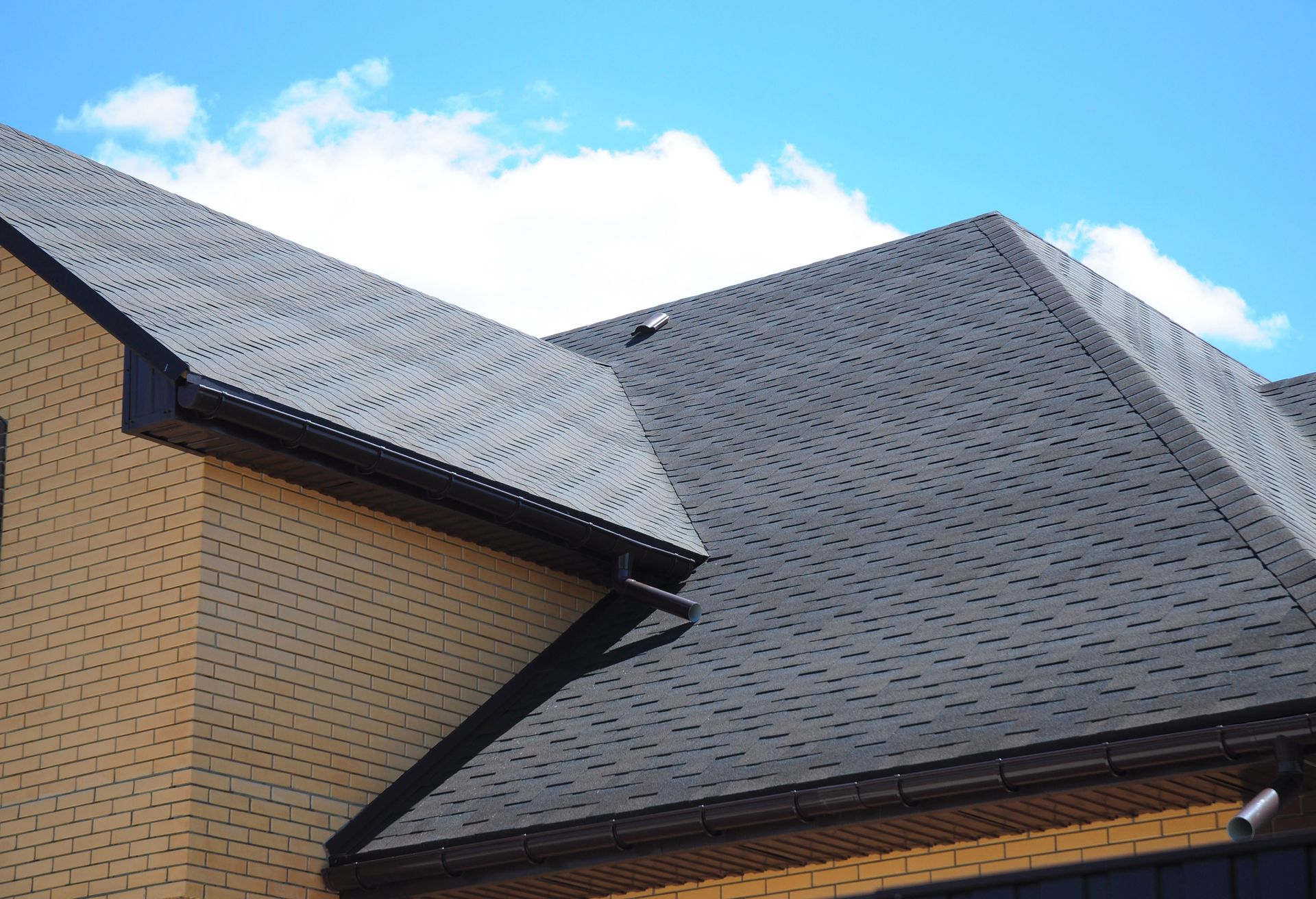
Your roof has a major impact on the overall appearance of your property. The color, texture, shape, and profile of the roofing material should complement the building’s architecture. Asphalt shingles offer many color and style options, while metal roofing can create either a traditional or modern look. Tile and slate can add distinctive character, especially on homes designed for those materials.
Curb appeal matters for personal enjoyment and property value. A roof that clashes with the rest of the exterior can make the property feel less cohesive. On the other hand, a well-chosen material can improve visual appeal and make the building look more polished. Reviewing samples, neighborhood styles, and design goals can help you select a material that fits the property naturally.
Checking Structural Requirements
Not every building can support every roofing material without modifications. Heavy materials such as slate or clay tile may require additional structural support. Before choosing these options, the roof framing should be evaluated to confirm whether it can handle the added weight. Lighter materials, such as asphalt shingles or some metal systems, may be easier to install on a wider range of structures.
Structural considerations are especially important during replacement projects. If the existing roof was designed for a lighter material, switching to a heavier option without proper evaluation can create serious problems. A roofing company can inspect the structure and help determine which materials are practical. This step helps protect the building and avoids unnecessary risks during installation.
Understanding Fire and Impact Resistance
Safety ratings can also influence material choice. Some roofing materials offer better fire resistance, which may be important in areas with wildfire risk or strict building codes. Metal, slate, and tile typically offer strong fire-resistant qualities, while wood roofing may require special treatment or may not be allowed in certain locations. Understanding local requirements can help narrow the list of acceptable materials.
Impact resistance is another factor to consider, especially in areas prone to hail or falling debris. Certain shingles and metal roofing systems are designed to better withstand impact damage. Choosing a stronger material can reduce repair needs after storms and help protect the roof system beneath the surface. Reviewing product ratings can help you choose a roof that fits your property’s exposure risks.
Planning for Installation Quality
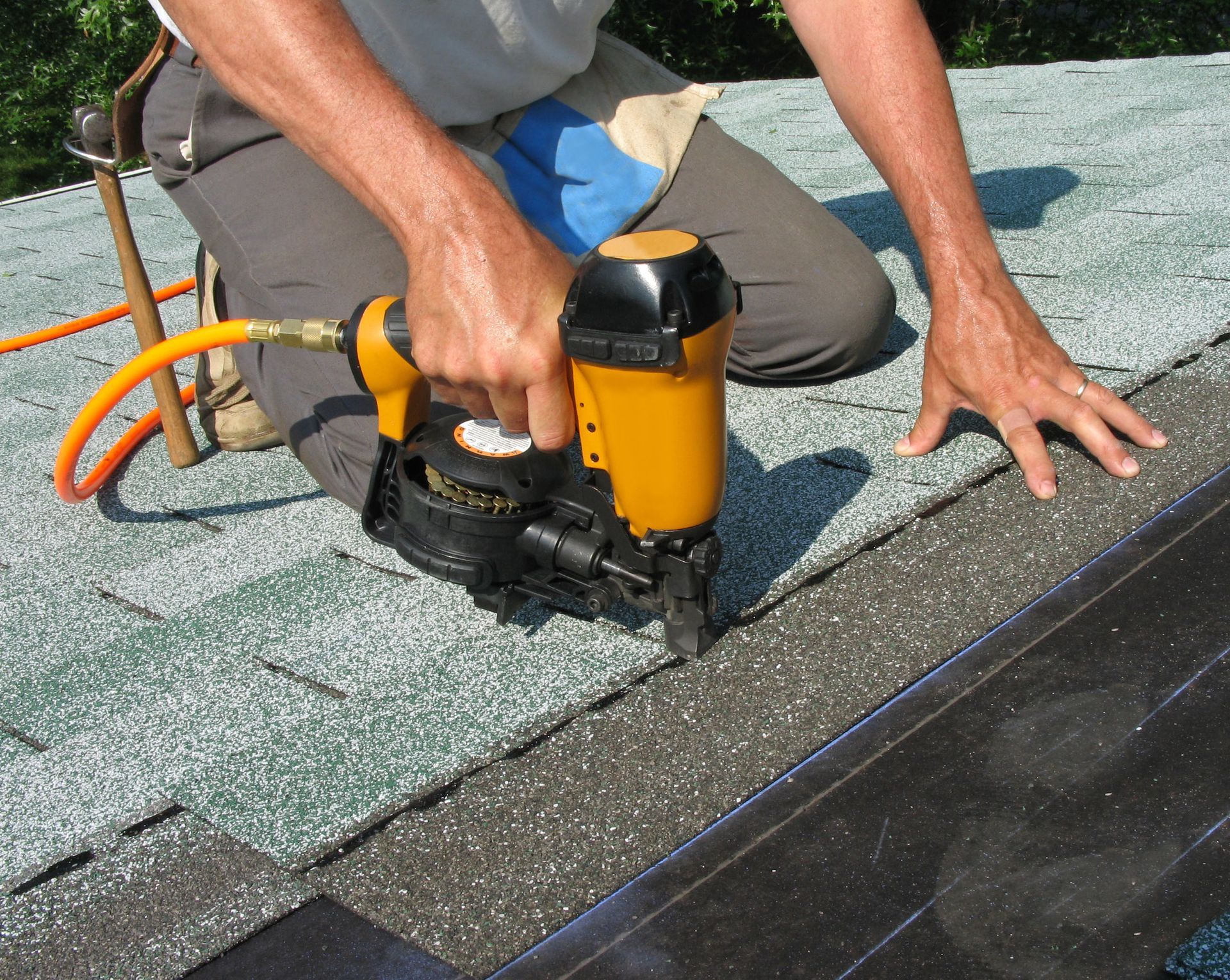
Even the best roofing material will not perform well if it is installed incorrectly. Proper installation affects water shedding, ventilation, flashing, drainage, and overall durability. Small mistakes can lead to leaks, premature wear, and costly repairs. That is why the experience of the installer matters as much as the material itself.
Before making a final decision, property owners should consider who will install the roof and how the project will be managed. A roofing company can provide guidance on material compatibility, warranty requirements, and installation best practices. Professional installation helps protect the investment and gives the selected material the best chance to perform as expected.
Choosing the right roofing material requires careful consideration of climate, durability, energy efficiency, maintenance, budget, style, structural needs, safety ratings, and installation quality. The best option is the one that fits your property, supports your goals, and provides dependable protection over time. By comparing materials thoughtfully and getting guidance from a trusted roofing company, you can make a decision that improves both performance and value. For help selecting the best roofing material for your property, contact NorthCoast Roofing Inc.