November 20, 2026
The lifespan of a roofing system is a critical consideration for homeowners and builders alike. Given the significant investment involved, understanding the factors influencing roofing longevity is essential for maximizing its value. Material selection, installation quality, environmental conditions, and maintenance practices all contribute to long-term durability. Working with experienced local roofing contractors can help homeowners make informed decisions about protecting their properties.
Recognizing how these components interact allows homeowners to plan improvements and prevent premature deterioration. By examining each factor carefully, property owners can develop effective strategies for extending roof performance while minimizing unnecessary expenses.
1. Material Quality and Roofing Durability
Roofing materials vary considerably in their durability, appearance, and maintenance requirements. Asphalt shingles remain popular because of their affordability and straightforward installation. Metal roofing provides excellent weather resistance and can offer a longer lifespan. Clay and concrete tiles are valued for their durability and distinctive appearance, although their weight requires adequate structural support. Selecting appropriate materials is fundamental to achieving lasting protection.
Weather resistance should also influence material selection. Roofing systems must withstand rain, snow, wind, and temperature fluctuations without experiencing premature deterioration. Homeowners can consult local roofing contractors to compare material performance under regional weather conditions. Choosing products designed for specific environmental challenges helps reduce the likelihood of recurring damage.
Modern roofing innovations provide additional opportunities to improve longevity. Advanced composites, reflective coatings, and UV-resistant products offer enhanced protection against environmental stress. Evaluating these innovations alongside installation costs and maintenance requirements helps homeowners identify worthwhile investments.
2. The Importance of Professional Roof Installation
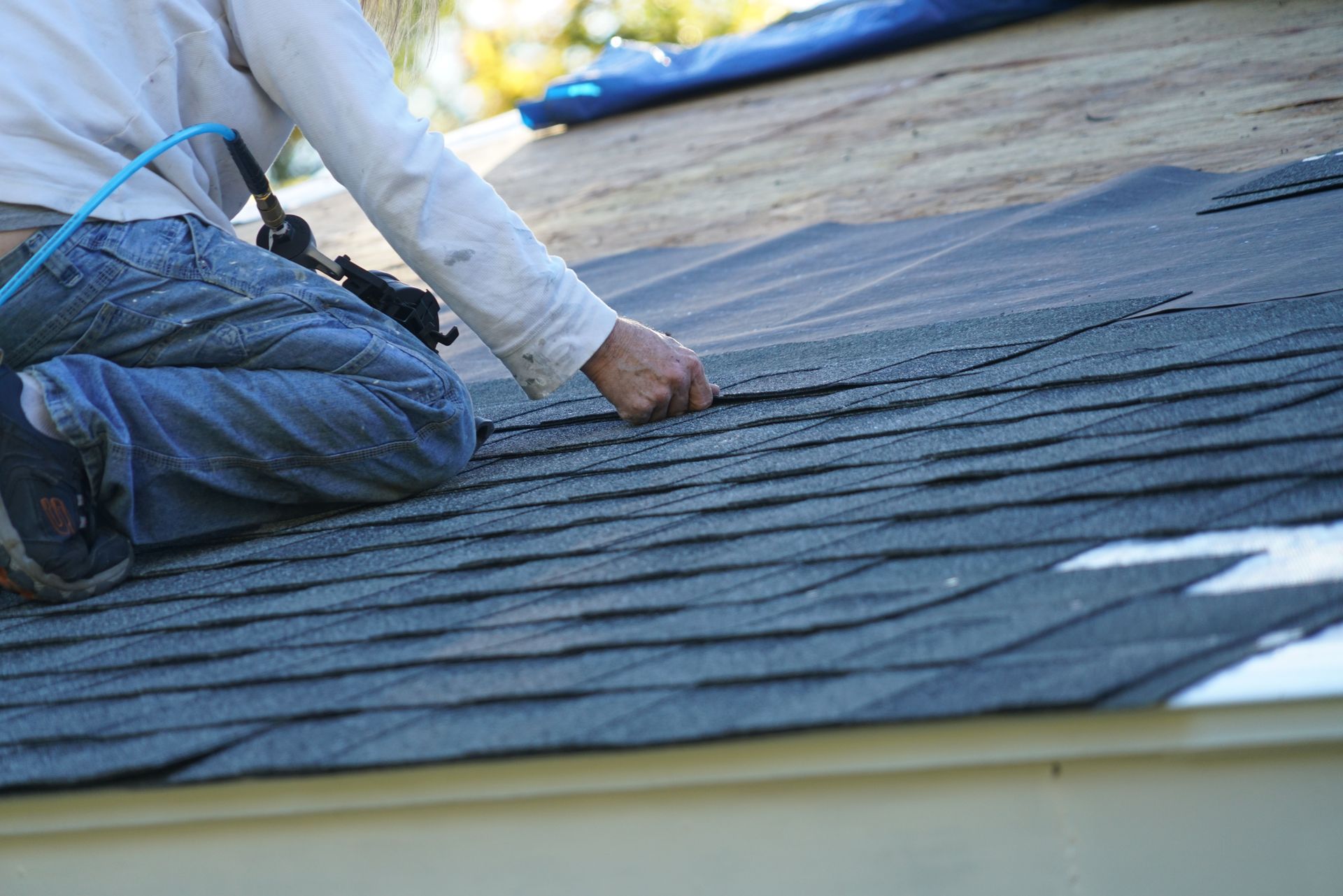
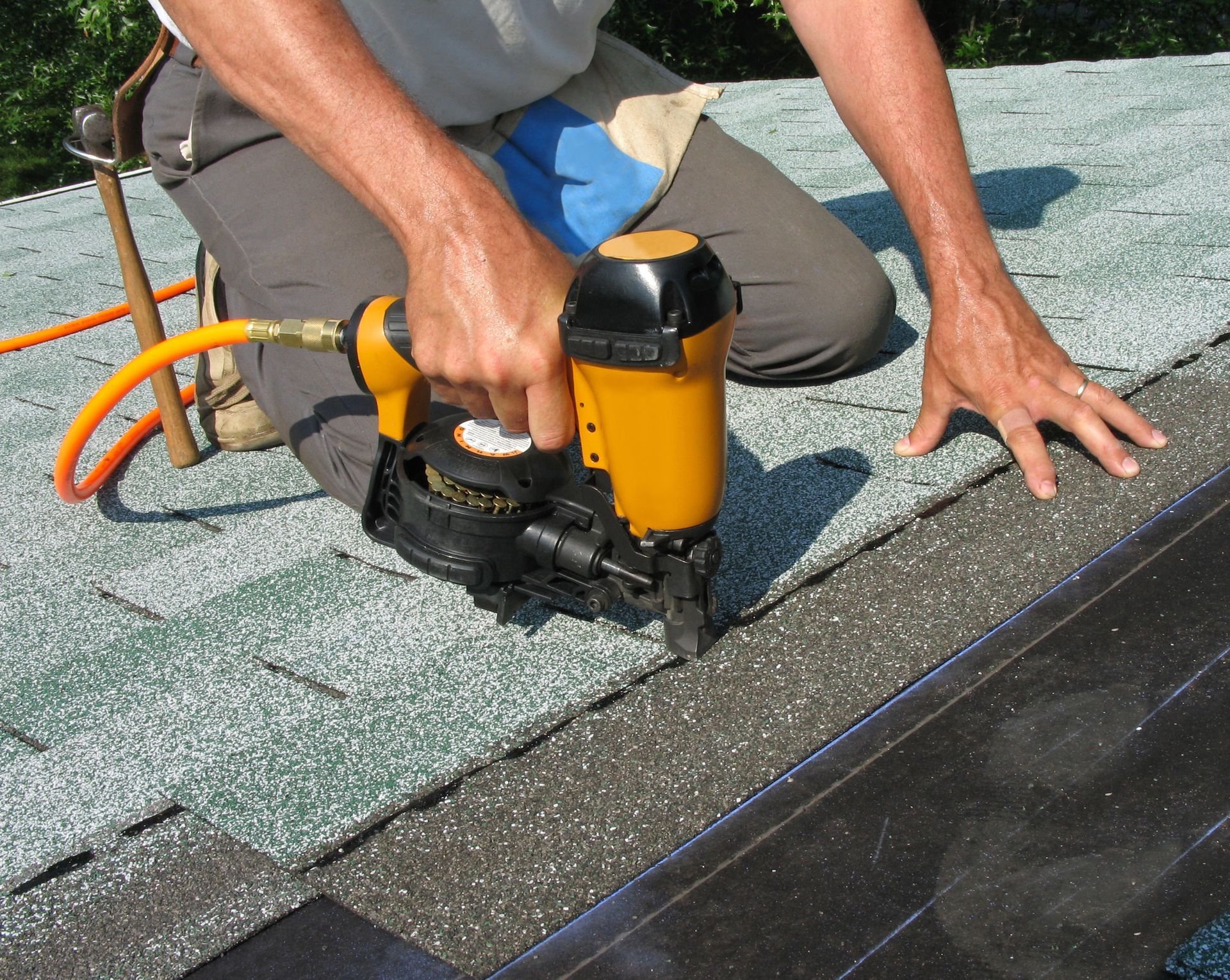
Installation quality directly affects how effectively roofing materials perform throughout their expected lifespan. Proper fastening, flashing placement, sealing, and underlayment installation protect the structure against moisture intrusion. Experienced professionals understand manufacturer requirements and construction standards, helping prevent installation defects that could compromise durability.
Common installation mistakes include inadequate ventilation, improperly secured shingles, and poorly sealed roof penetrations. These problems can cause leaks, moisture accumulation, and unnecessary structural deterioration. Hiring qualified local roofing contractors allows homeowners to prioritize proper installation techniques and dependable workmanship. Reviewing credentials, references, and warranty information can further support confident hiring decisions.
Installation methods should also accommodate specific roofing materials and architectural requirements. Interlocking tile systems can improve wind resistance, while properly fastened metal panels provide reliable protection during severe weather. Correct insulation and ventilation practices help regulate attic temperatures and reduce moisture-related concerns.
3. Climate and Environmental Conditions
Weather patterns significantly influence roofing longevity. Properties experiencing heavy snowfall require roofing systems capable of supporting anticipated loads, while storm-prone regions benefit from materials designed for strong winds. Frequent rainfall increases the importance of waterproofing and effective drainage. Even durable materials can deteriorate prematurely when exposed to conditions beyond their intended performance capabilities.
Temperature fluctuations also affect roofing components. Repeated expansion and contraction can stress flashing, sealants, and other vulnerable areas. Homeowners should consider regional temperatures, precipitation levels, and seasonal changes before selecting materials. Consulting local roofing contractors provides valuable insight into products and installation methods suited to particular climates.
Sunlight exposure presents another challenge, particularly in warmer regions. Ultraviolet radiation can gradually weaken certain roofing materials, causing brittleness, fading, and surface deterioration. Reflective roofing products and UV-resistant coatings may help limit these effects. Regular inspections remain important for identifying early signs of weather-related damage.
4. Roof Design and Structural Considerations
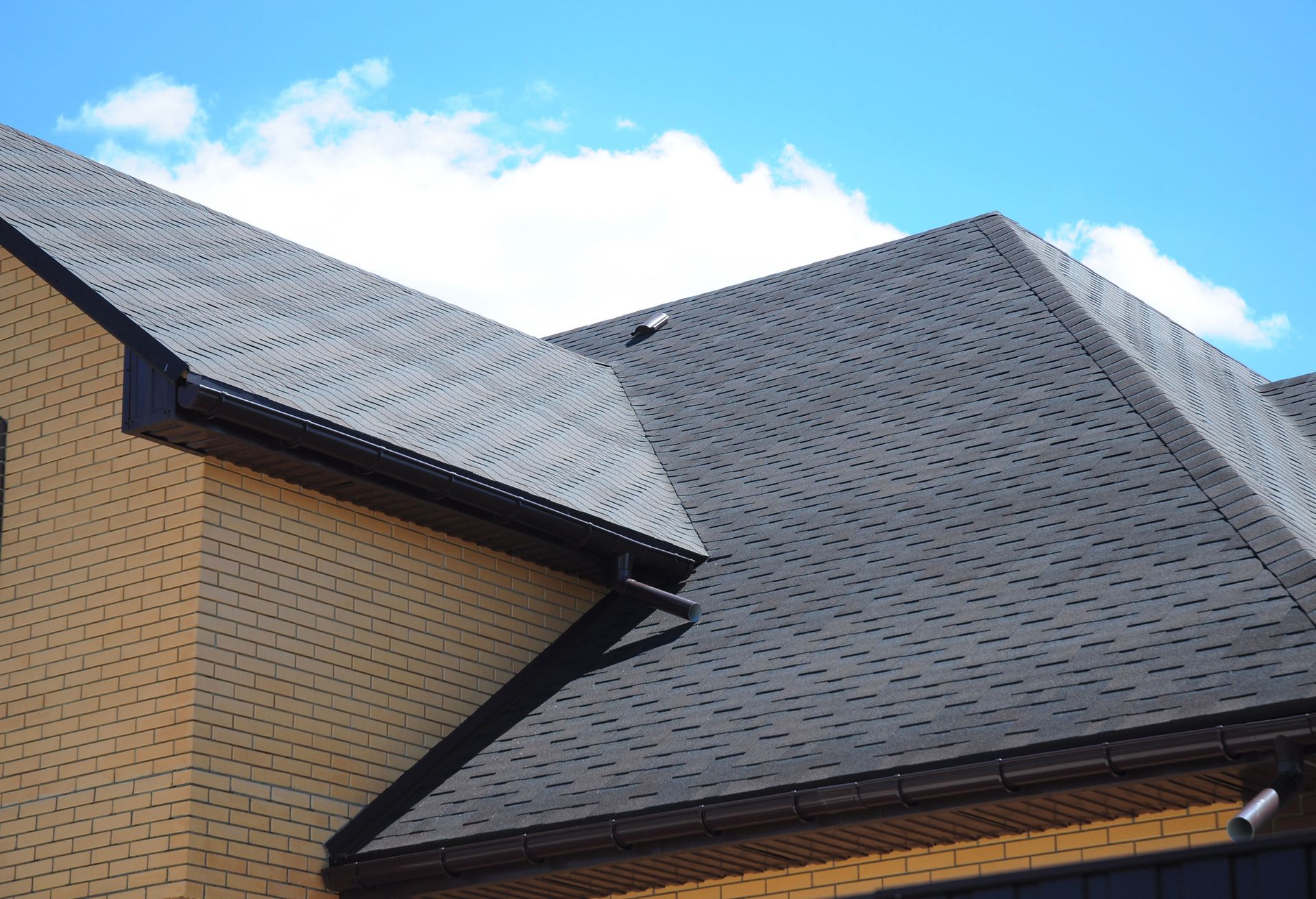
Roof design influences drainage efficiency, structural stability, and maintenance requirements. Steeper slopes generally promote faster water runoff, reducing opportunities for moisture accumulation. Low-slope roofing systems require appropriately designed waterproofing materials and drainage components to manage standing water. Selecting materials compatible with the roof's pitch helps maintain dependable performance.
Architectural complexity can introduce additional maintenance challenges. Roofs featuring numerous valleys, dormers, skylights, and intersecting sections contain more areas where water infiltration may occur. These features require careful flashing installation and periodic inspection. Thoughtful design choices can balance visual appeal with practical maintenance considerations.
Drainage systems are equally important for preventing water-related damage. Gutters and downspouts direct rainfall away from roofing edges, exterior walls, and foundations. Clogged or damaged components can allow water to accumulate in vulnerable areas. Routine cleaning and repairs help maintain efficient drainage and protect the surrounding structure.
5. Regular Roof Maintenance and Inspections
Consistent maintenance is among the most effective ways to extend roofing longevity. Routine inspections help identify loose shingles, deteriorating flashing, damaged sealants, and minor leaks before they develop into expensive problems. Professional assessments can reveal concerns that are difficult to recognize from ground level. Scheduling inspections annually and following major storms supports proactive property management.
According to HomeGuide, roof replacement usually takes 1 to 8 days, depending on the material, roof size, pitch, and project difficulty. Preventive maintenance can help homeowners avoid unexpected replacement projects and associated disruptions. Working with local roofing contractors also provides access to professional recommendations for addressing emerging problems.
Seasonal maintenance should reflect changing environmental conditions. Spring inspections can identify winter damage, while summer assessments may reveal deterioration caused by intense sunlight. Autumn gutter cleaning helps prevent drainage blockages, and winter monitoring can identify ice dams or excessive snow accumulation. Following a consistent schedule supports long-term roofing performance.
6. Recognizing When Repairs or Replacement Are Necessary
Determining whether to repair or replace a roof requires evaluating its age, overall condition, and extent of damage. Isolated problems, such as missing shingles or minor flashing defects, may be resolved through targeted repairs. Prompt attention prevents moisture intrusion and helps preserve surrounding roofing components.
Widespread deterioration, recurring leaks, and significant structural damage may indicate that replacement is more practical. Repeatedly repairing an aging system can become expensive without addressing underlying problems. Homeowners should compare projected repair expenses with replacement costs, expected service life, and potential warranty benefits.
Professional evaluations provide valuable guidance when weighing these options. Qualified local roofing contractors can assess visible damage, identify underlying concerns, and recommend appropriate solutions. Understanding the condition of the entire roofing system helps property owners avoid unnecessary spending while maintaining dependable protection.
7. Urban and Rural Environmental Challenges
Property location creates additional considerations for roofing durability. Urban buildings may experience greater exposure to airborne pollutants, debris, and surrounding construction activities. These conditions can contribute to surface discoloration, drainage obstructions, and gradual material deterioration. Regular cleaning and inspections help address these concerns.
Rural properties often face different challenges, including overhanging branches, wildlife activity, and exposure to strong winds across open landscapes. Falling limbs can damage shingles, while animals may disturb vulnerable roofing components. Maintaining nearby trees and inspecting roof penetrations can reduce these risks.
Understanding environmental conditions surrounding a property allows homeowners to establish more effective maintenance routines. Preventive measures tailored to the property's setting can reduce unexpected damage and improve overall roofing reliability.
8. How Property Usage Influences Roof Longevity
Residential and commercial properties place different demands on their roofing systems. Commercial buildings frequently accommodate rooftop HVAC equipment and maintenance personnel, increasing the potential for surface wear. Designated walkways and protective materials can help minimize damage caused by routine equipment servicing.
Residential roofing systems may incorporate skylights, solar panels, or ventilation equipment that require additional installation considerations. These features introduce penetrations and attachment points that must remain properly sealed. Periodic inspections help ensure surrounding materials continue providing adequate weather protection.
Property owners should also consider how renovations or equipment upgrades might affect roofing performance. Coordinating these improvements with qualified professionals can help preserve waterproofing systems and avoid unnecessary structural modifications. Contact NorthCoast Roofing Inc today and learn more about our roofing services.