April 17, 2026
Storms can be quite a handful for any homeowner to manage, especially when they leave behind a trail of uncertainty regarding the state of your property. The roof is the first line of defense against heavy rain, high winds, and hail, making it the most vulnerable part of the structure during a significant weather event. Even if everything looks fine from the ground, the reality of the situation might be different upon closer inspection.
Identifying Missing or Damaged Shingles
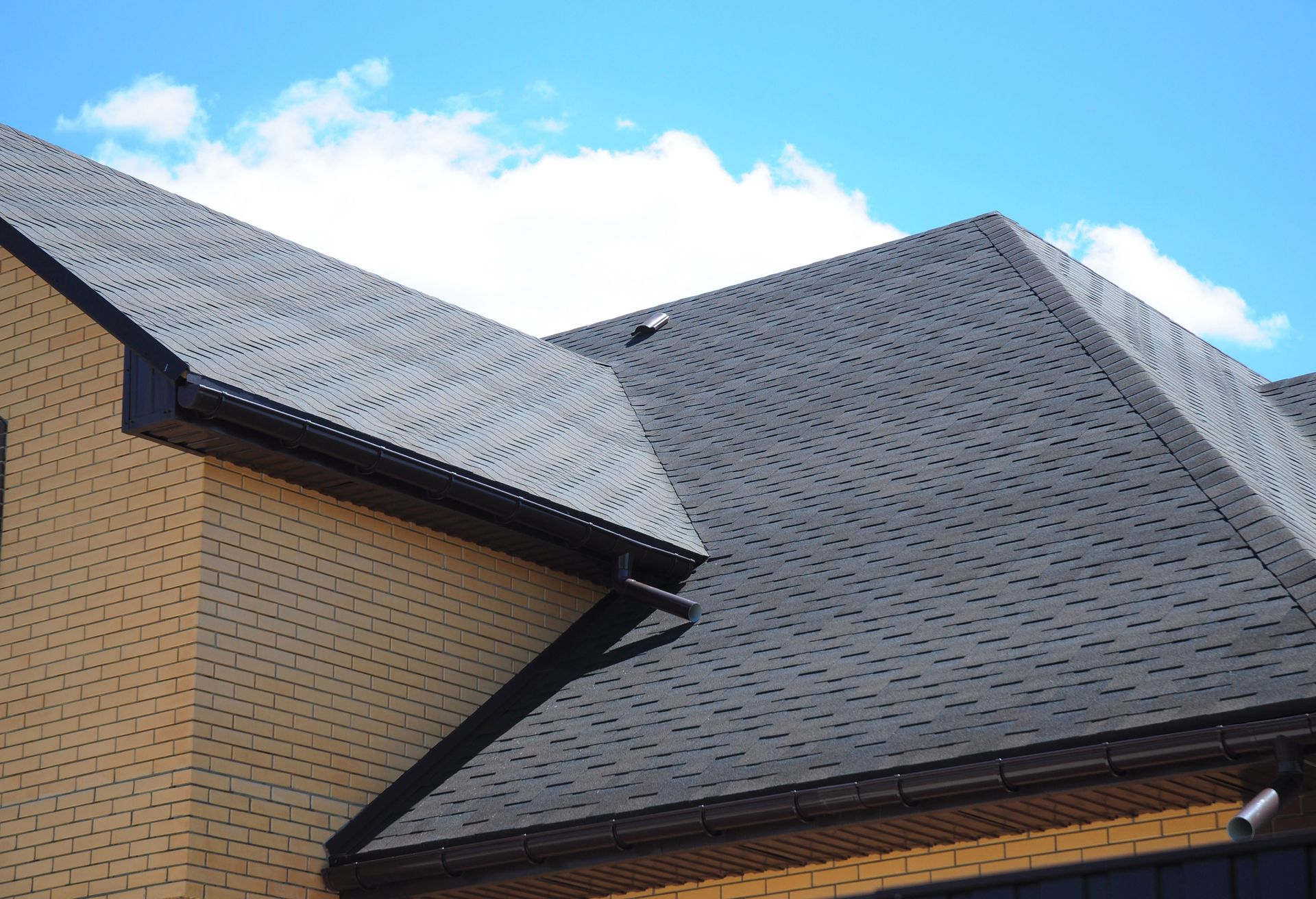
High winds are notorious for catching the edges of shingles and peeling them away from the roof deck. When you look up at your house, you might notice dark patches or areas where the pattern looks inconsistent. These gaps indicate that the protective layer has been compromised, leaving the underlayment exposed to the elements. Without these shingles in place, water can easily find its way into the wooden structure of your house. This is a common reason why people eventually seek professional roof repairs to restore the integrity of their homes. It is important to remember that even shingles that are still attached but appear cracked or torn can be just as problematic as those that are missing entirely.
Noticing Granule Loss in Your Gutters
Shingles are coated with tiny mineral granules that protect them from ultraviolet rays and provide fire resistance. After a heavy storm, especially one involving hail, these granules can be knocked loose and washed into your gutter system. If you see what looks like dark sand or gravel piling up at the bottom of your downspouts, your shingles are likely losing their protective coating. This thinning process makes the shingles brittle and much more susceptible to leaking over time. Noticing this early can be a deciding factor in whether you need minor maintenance or more comprehensive roof repairs to ensure the system continues to function as intended for years to come.
Identifying Curling and Buckling Shingle Surfaces
Sometimes the damage is not immediate but reveals itself in the days following a storm. Shingles that have been lifted by the wind or saturated with moisture may begin to curl at the edges or buckle in the center. This creates an uneven surface that allows wind-driven rain to blow underneath the material. According to This Old House, over the past three years, nearly 31% of homeowners nationwide have pursued roof renovation, repair, or maintenance projects. This statistic highlights how common it is for weather-related wear to necessitate professional attention. Keeping an eye on the shape and texture of your roof surface can help you decide when to call in the experts for necessary roof repairs.
Recognizing Signs of Hail Impact Damage
Hail can be incredibly deceptive because the damage it causes often looks like small, harmless dents. However, these impact points can bruise the shingle mat, leading to hidden fractures that eventually allow water to seep through. On asphalt shingles, these marks often appear as dark spots where the granules have been pressed into the material or knocked away. On wood or slate, you might see clean splits or jagged cracks. Because hail damage is often difficult to spot from the ground, it is one of the most frequent reasons homeowners find themselves needing professional roof repairs after a summer storm season.
Noticing Damaged or Displaced Flashing
Flashing is the metal material installed around chimneys, vents, and valleys to direct water away from the seams of your roof. Strong winds and heavy debris can easily bend, crack, or even rip these metal pieces away from their original positions. If the flashing is no longer creating a tight seal, water will naturally flow into the most vulnerable joints of your home. Checking the areas around your chimney and skylights is a critical part of post-storm assessment. Properly functioning flashing is essential for preventing internal leaks, and keeping these components in good shape often involves specialized roof repairs performed by experienced professionals.
Seeing Water Stains on Interior Ceilings
Sometimes the most obvious signs of a problem appear inside your home rather than outside. After a heavy rain, check your ceilings and walls for any new water stains or discoloration. These spots often look like yellowish or brown rings and can indicate that water has successfully navigated through the roof layers and into your attic space. If you notice peeling paint or bubbling wallpaper, there is a high probability that moisture is trapped behind the surface. Addressing these interior signs promptly through professional roof repairs can prevent structural wood rot and the growth of mold within your living space.
Identifying Attic Moisture and Light Leaks
If you have a safe way to access your attic, it is a great place to look for storm evidence. During the day, turn off the lights and look up at the underside of the roof deck. If you can see pinpoints of daylight coming through, those are direct paths for water to enter. You should also look for damp insulation or water marks on the rafters. An attic that feels unusually humid or smells musty after a storm is another red flag. Catching these issues from the inside allows you to point out exactly where roof repairs are needed to stop the intrusion at the source.
Understanding Debris Accumulation and Impact Marks
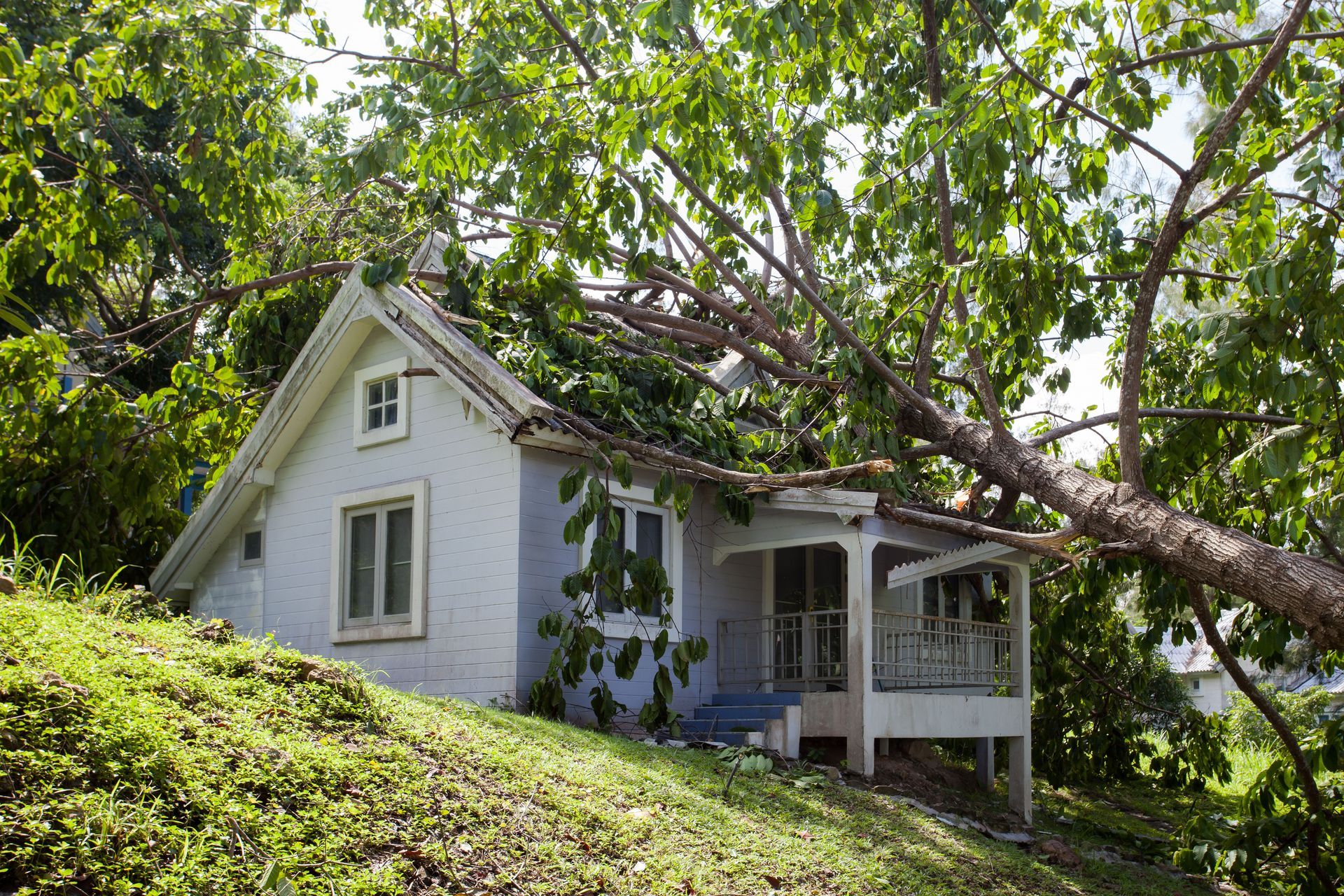
Heavy storms often bring down tree branches or toss loose objects onto your roof. Even if a branch does not puncture the surface, the weight and impact can weaken the structure or scrape away the protective shingle layers. Scuff marks or deep scratches on the roof surface are clear indicators that the material has been stressed. If you see large limbs resting on your house, the potential for structural damage is high. Removing debris safely and assessing the impact zones is a primary step in determining the scope of any required roof repairs to ensure the underlying deck remains solid.
Noticing Sagging Roof Lines and Structural Shifts
In extreme cases, a severe storm can cause visible changes to the silhouette of your home. If you step back and notice that the ridge of the roof looks like it is dipping or if there are visible sags in certain sections, the situation may be serious. This can happen when a roof is overwhelmed by the weight of snow and ice or if a large impact has compromised the support beams. Structural issues like this are not something that can be ignored. They require immediate attention and heavy-duty roof repairs to restore the safety and stability of the entire building.
Recognizing Gutter and Downspout Deformities
Your drainage system is an extension of your roof, and it often bears the brunt of storm energy. Check to see if your gutters are pulling away from the roofline or if they have been dented by falling debris. Overflowing gutters during a storm are a sign of blockages or improper pitch, both of which can lead to water backing up under your shingles. Ensuring that water moves freely away from your house is vital. If the gutters are damaged, it often goes hand in hand with the need for roof repairs to fix the edges where the two systems meet.
Protecting Your Investment for the Future
A healthy roof is the most important factor in maintaining the value and safety of your home. While weather events are unavoidable, the way you respond to them makes all the difference in how long your roof will last. Being proactive about looking for the signs of wear and tear ensures that small problems do not turn into catastrophic failures. By keeping a watchful eye on your shingles, flashing, and interior ceilings, you can make informed decisions about the health of your property. When you stay on top of necessary roof repairs, you provide your family with the peace of mind that comes with a secure and dry home. NorthCoast Roofing Inc is here to provide the expert assistance you need to keep your home protected.